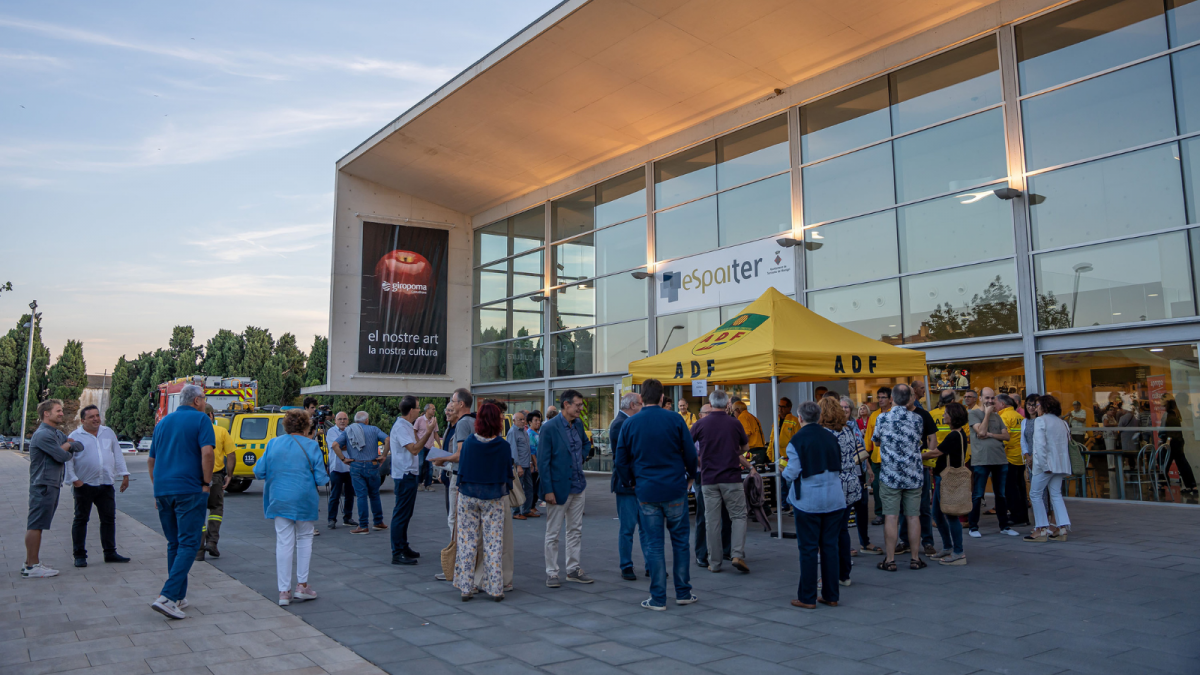
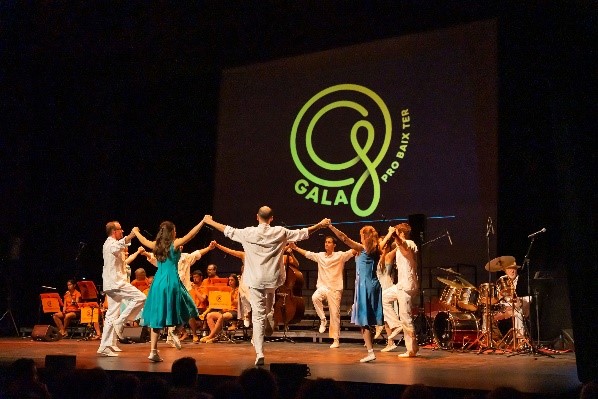
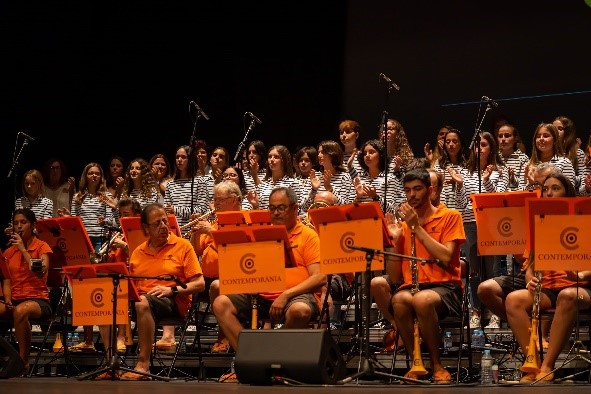
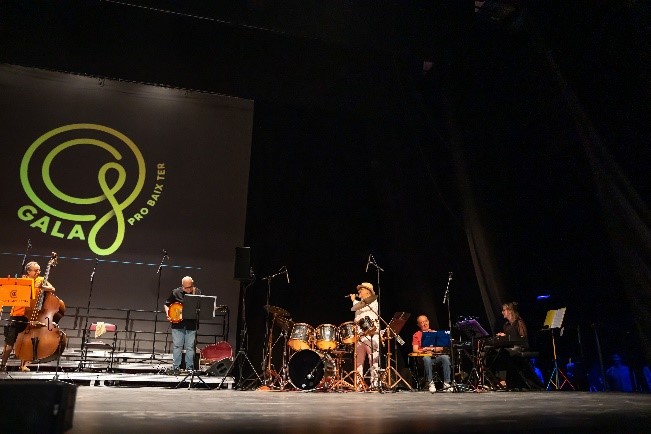
For the second consecutive year, Giropoma has collaborated in the organization of the II Gala Pro Baix Ter 2022, together with the Auditori Teatre Espai Ter, which took place last Saturday, September 17 in these facilities. This is a solidarity initiative to support and raise funds for projects of social interest in Baix Ter. This second edition was dedicated to the Montgrí and Puig Segalar Forest Defense Associations, which throughout the year ensure the prevention and extinction of fires in the Montgrí and Baix Ter forests.
From Giropoma, the manager Àlex Creixell considers that initiatives like this demonstrate the link and commitment that the company has with the territory. “The values that define us are the defense of the territory and proximity, that is why, for Giropoma, it is so important to collaborate in the organization of this gala, since it is in line with our raison d’être”, he considers, “it is a pride and a privilege to participate in the Gala, which this year dedicates all the benefits to the ADFs, and contribute to the protection of our surroundings and environment“.
Antoni Roviras, director of the Auditori Teatre Espai Ter, confesses that they are very excited to work with local companies to create cross-cutting projects like this: “We agree with Giropoma as a company with added value, with its social responsibility, with the values it defends that are linked to our peasantry, which has modulated and created the landscape that surrounds us and which has made us and makes us the way we are. Co-organizing this activity is a clear sign that the public sector and private initiative can find common ground and develop projects where the sum generates very important expectations”.
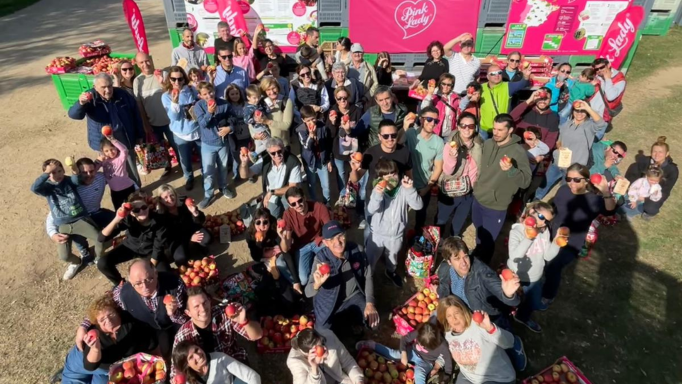
The celebration began with a sample of the activities developed during the year by the Associations of Forest Defense Montgrí and Puig Segalar in front of the Auditori Teatre Espai Ter and where people could collaborate with the purchase of solidarity apples.
The gala continued with the great show ‘Sardanova’, created 25 years ago but renewed and adapted to the present. The show combined copla music with contemporary copla, jazz and rock music, and pop and funk with Santi Arisa and the Lakatans. The dance was accompanied by the Sardanista Continuïtat Agrupation, and the choirs, La Coral Nit de Juny and Els Virolets.
An extraordinary event open to everyone, to enjoy different disciplines of popular culture in the same show. According to Roviras, “the Pro Baix Ter Gala is important because it brings social value to the cultural activity of the facility with a very clear objective: to raise funds to improve the quality of life of the people and the landscape of the Baix Ter“. He adds that the Gala is much more than a cultural activity: “It generates complicity with the territory and culture becomes a tool for transformation. It closes the circle. We are a project aimed at citizens that returns in the form of resources for the improvement of the management of our forests to the citizens in a project that is carried out in the territorial scope of the Baix Ter, where the public of the equipment resides”.
This second edition has been accompanied by very positive results. The amount raised during the II Gala Pro Baix Ter 2022 will be used to purchase a vehicle, in the case of ADF Montgrí, while ADF Puig Segalar will buy a trailer-pump with a capacity of 3,500 liters of water.

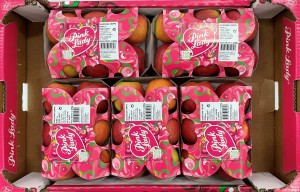 Sealed format with label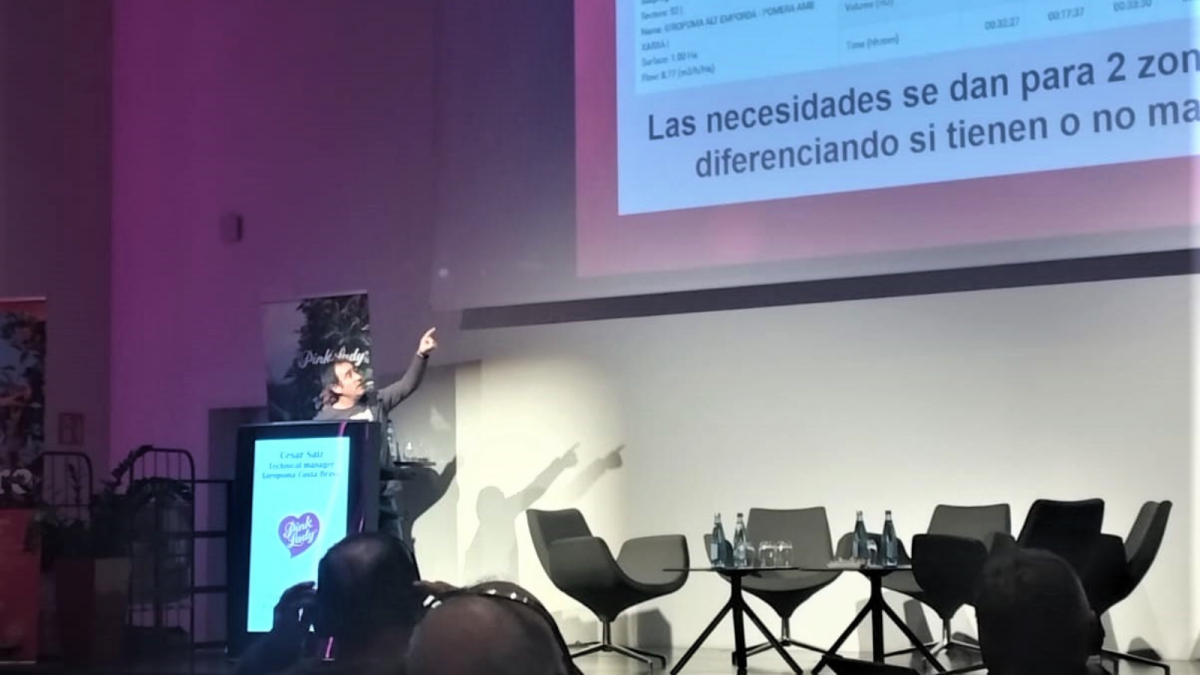
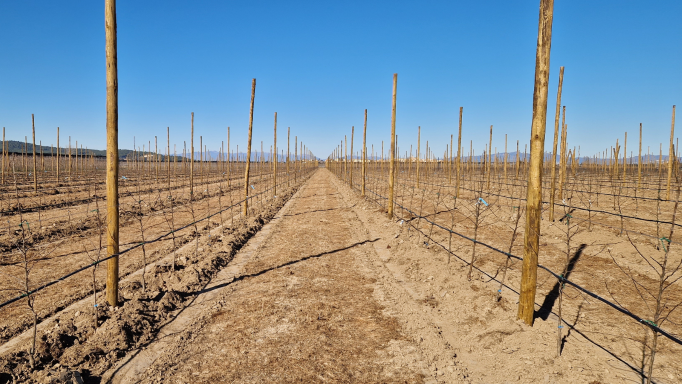
 In 2018, Giropoma implemented a system based on soil moisture sensors to indicate the humidity and water available for the plants. It is a composition of 70 sensors spread throughout the productive area which, through the extracted data and a climate forecast, allow us to give weekly irrigation recommendations to our growers. These recommendations are useful for them to know if they have to increase irrigation, or on the contrary, decrease it, or keep it the same.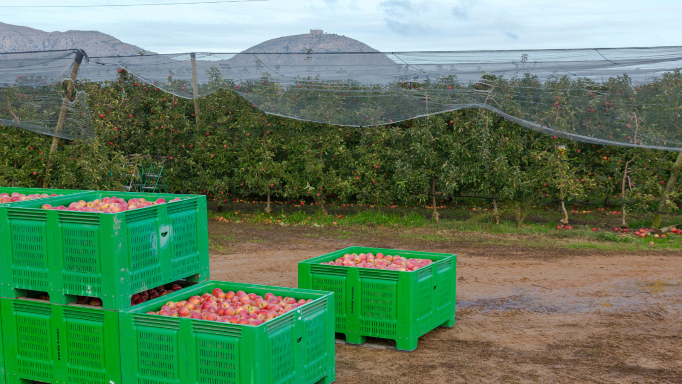
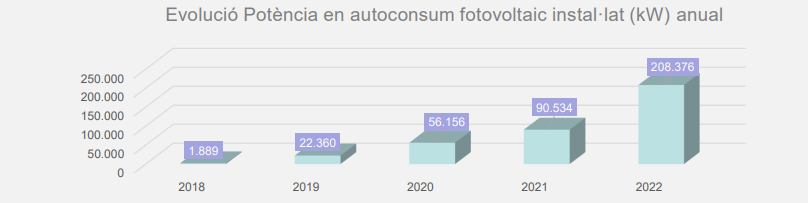 Source: Regsiter of Self-consumption in Catalonia
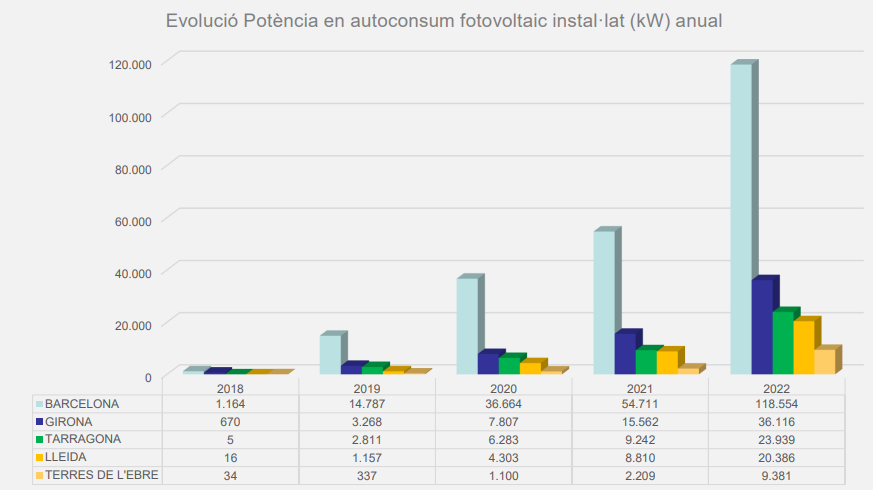 Source: Regsiter of Self-consumption in Catalonia