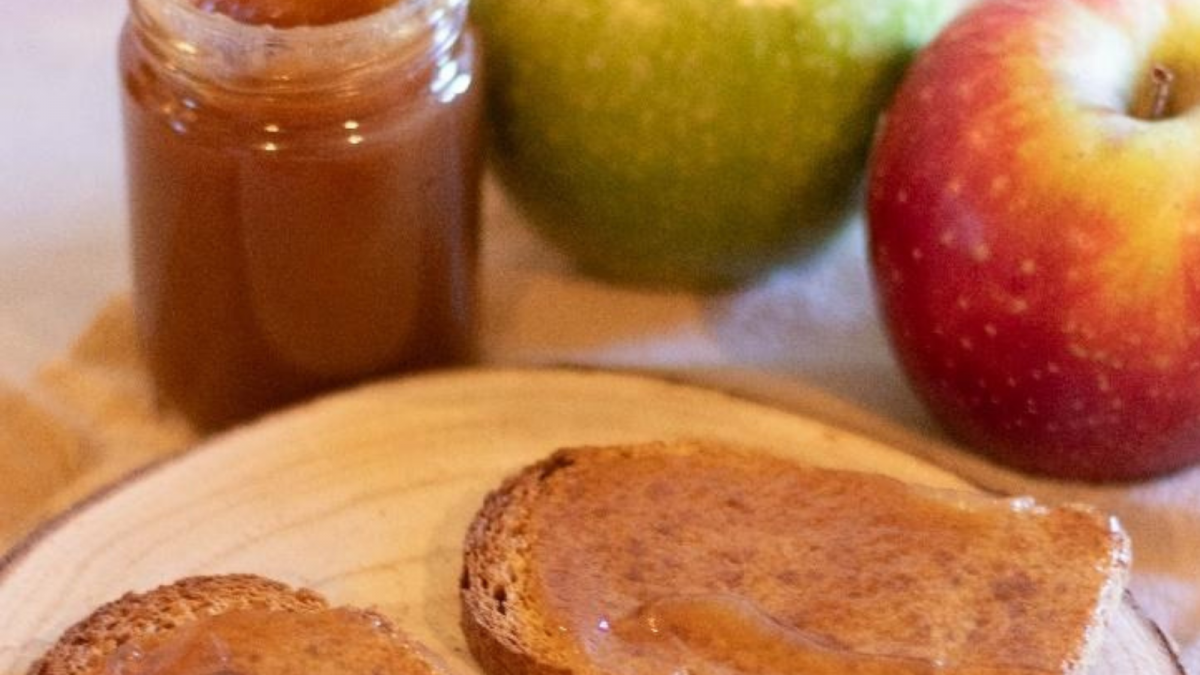
As the parties approach, the kitchens are filled with warm smells and tables that want to surprise. Each variety provides a different nuance that refines sauces, gives relief to garnishes and raises both salty dishes and desserts. The key is to understand what each apple brings and apply it where it shines the most.
Golden is the best ally when we seek balance and softness. Its moderate sweetness and low acidity integrate fillings and sauces without covering the background. In roast cannelloni, with apple sautéed with butter and lemon peel provides succulence and perfume without over-sweeting. In birds, like the stuffed turkey, it helps to keep the stuffed moist and give a satin final sauce.
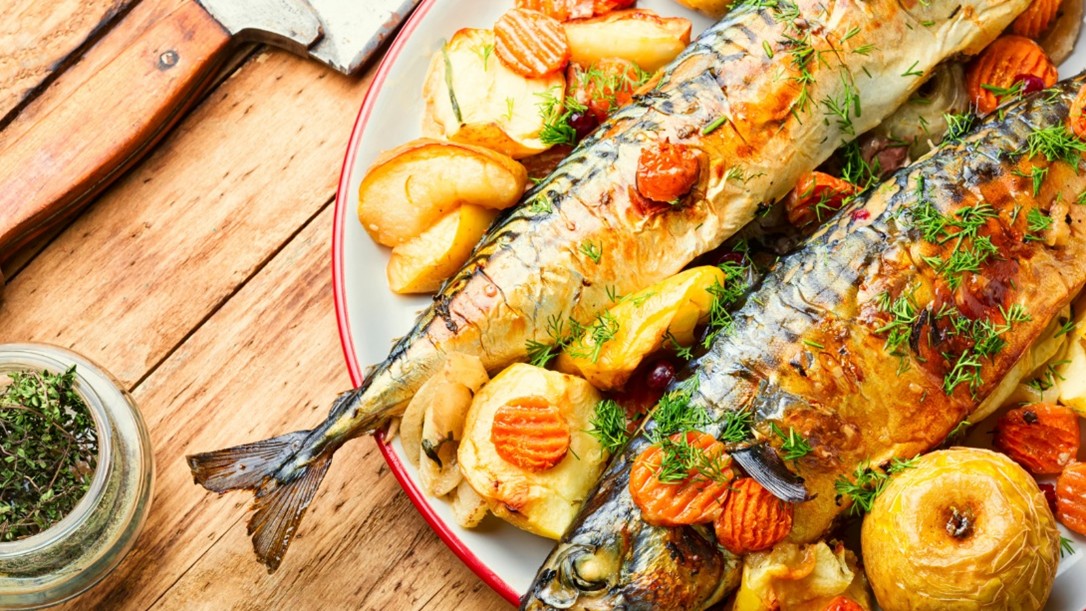
When the dish needs freshness and tension, Granny Smith comes into play. Its clear acidity cleanses the fat and gives contrast. It is ideal in fatty meats, such as duck or piglet, where a fast chutney with ginger and vinegar balances the whole. It also works in baked fish: fine sheets of Granny with fennel and a ray of olive oil make aromatic cushion for a soft but with character.
Pink Lady combines sweetness and acidity with a very fine aroma that falls in love with starters and accompaniments. In raw, keep the crunch and bring color: think about it on a baked brie or in a salad of donkey and pomegranate with a vinaigrette of honey and mustard. Lightly roasted with almonds, it acts as a spectacular counterpoint to the Brussels cabbages in the oven, transforming a classic garnish into a dish that everyone wants to repeat.
If we want juice and sweetness, Fuji is unbeatable. Hold medium cooking well and leave a full bite. In a pork loin with sage and cider, Fuji is caramelized slightly and integrates the sauce, providing volume to the palate.
The Red Delicious shines especially naturally: it is an apple to serve in thin sheets when what we are looking for is perfume and elegance. In the cheese boards, accompany blue and cured without competing; in the festive salads, pair with donkey, nuts and pomegranate. It is also a great option to give color to cold canapés where presentation is as important as taste.
With the Royal Gala, we find a gentle sweetness with a touch of acidity that makes it versatile in warm garnishes. A potato and apple purée makes it silky for veal slices; it also goes very well into a spicy cuscus with pistachios and herbs, a light alternative when the table asks to breathe between more forceful dishes.
The Candine® stands out for its crunchy and scent. Cut into dice, it spreads well and gives a fragrant touch to delicate preparations: salmon tartar with dill and lime, or foie cooked with a soft apple gelatin. It is the choice when we want the apple to be noticed in each bite without dominating.
For dishes with winter spices, such as vegetable curry, stews or even hot drinks, Joya® (Cripps Red) provides sweetness with a powerful acid touch that is understood with cinnamon, clove and star anise.
In a Christmas where every detail counts, the apples allow to orchestrate textures and flavors with precision. The right variety on the right plate can transform a traditional recipe into a new experience.